


HOME >> 海外出版社刊 洋書販売 新着書籍 >>
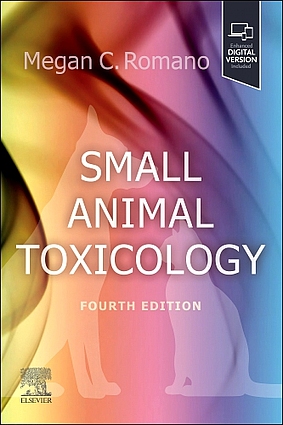
Small Animal Toxicology, 4E ※e-book利用不可
Elsevier
| Author | : | Megan C. Romano |
価格:21,010円 (本体 19,100円+税) 送料サービス
・Release: 2026
・ISBN: 9780323876452
・1048 Pages
・Trim Size: 152.7 X 33.3 X 228.9 ・Paperback
Description
Diagnose and determine treatment for toxic exposures in small animals with this quick reference! Small Animal Toxicology, 4th Edition, covers hundreds of potentially toxic substances, providing the information you need to manage emergency treatment and prevent poisonings in companion animals. To help you identify an unknown poison, this guide provides a list of potential toxins based on clinical signs or symptoms. It also includes color plates showing toxic plants and lesions associated with various poisonings. Written by a team of expert contributors led by veterinary toxicologist Megan C. Romano, this point-of-care resource is updated with coverage of essential oils as well as the latest developments in toxicology for improved patient care.
New to this edition
- NEW! Chapters, including Special Considerations in Cats, Cycads (Sago Palm), Onions and Garlic, Food Poisoning, and Cannabidiol
- NEW! Updated content includes substantial revisions to the guidelines for evaluation, diagnosis, and treatment, such as examinations of the source, toxic dose, toxicokinetics, clinical signs, minimum database, confirming tests, treatment progress, and differential diagnosis for each specific toxicant
- NEW! Enhanced ebook version, included with every new print purchase, allows digital access to all text, figures, and references, with the ability to search, customize content, make notes and highlights, and have content read aloud on a variety of devices
Key Features
- In-depth information on toxins/poisons includes the full range of substances from acetaminophen to zinc, including home products, prescription medicines, recreational drugs, and more
- Coverage of common poisonous substances includesgrapes and raisins, nicotine, mercury, mushrooms, Christmas-time plants, and snake and spider venoms
- Toxicology Basics section provides information on toxicologic principles and clinical approaches to diagnosis, as well as the effective use of a diagnostic laboratory, pet food contamination, and mass exposures
- General Treatment Concepts section addresses toxicologic decontamination, antidotes, and supportive care of the poisoned patient
- Special Patient Considerations section covers intoxicated patients such as pediatric, geriatric, and pregnant or lactating patients, birds, reptiles, cats, and other small mammals, along with commonly encountered toxicants
- Approximately 50 international contributors provide up-to-date, authoritative advice on treating poisonings and intoxications
Table of Contents
- PART 1 General Toxicology
- SECTION 1 Toxicology Basics and General Considerations
- 1. General Toxicologic Principles for Clinicians
- 2. Toxicology Resources
- 3. Approach to Diagnosis for the Toxicology Case
- 4. Effective Use of a Veterinary Medical Diagnostic Laboratory
- 5. Handling Suspected Pet Food Contamination Cases
- 6. Responding to Mass Exposures
- SECTION 2 General Treatment Concepts
- 7. Toxicologic Decontamination
- 8. Initial Management and Supportive Care of the Poisoned Patient
- 9. Antidotes, Antidote Like Drugs, and Reversal Agents
- SECTION 3 Special Patient Considerations
- 10. Toxicologic Considerations in Birds
- 11. Toxicologic Considerations in Cats
- 12. Poisoning in Captive Reptiles
- 13. Small Mammal Toxicology
- 14. Toxicologic Considerations in the Geriatric Patient
- 15. Toxicologic Considerations in the Pediatric Patient
- 16. Toxicologic Considerations in Pregnant or Lactating Patients
- 17. Toxicologic Considerations of the Reproductive System
- PART 2 Specific Toxicants
- SECTION 1 Clostridial Toxins
- 18. Botulism
- 19. Tetanus
- SECTION 2 Drugs, Medications, and Supplements
- 20. Adverse Drug Reactions
- 21. Amitraz
- 22. Isoxazoline Parasiticides (-laners)
- 23. Macrocyclic Lactones
- 24. 5-Fluorouracil
- 25. Acetaminophen
- 26. Amphetamines
- 27. Anticonvulsants
- 28. Antidepressants (SSRIs, MAOIs, TCAs, and Atypical Antipsychotics)
- 29. Baclofen
- 30. Barbiturates
- 31. Benzodiazepines and Z-drugs (Sleep Aids)
- 32. Beta Blockers
- 33. Tetrahydrocannabinol (THC) and Synthetic Cannabinoids
- 34. Cannabidiol (CBD): Adverse Effects and Potential Uses
- 35. Calcium Channel Blockers
- 36. Cocaine, PCP, and other Illicit Stimulants
- 37. Hazards Associated With the Use of Herbal and Other Natural Products
- 38. Imidazoline Decongestants
- 39. Ionophores
- 40. Joint Supplements (Oral)
- 41. Metronidazole
- 42. Nicotine
- 43. NSAIDs
- 44. Opioids
- 45. Pimobendan
- 46. Pseudoephedrine and Phenylephrine
- 47. Pyrethrins and Pyrethroids
- 48. Spot-on Products
- SECTION 3 Envenomations
- 49. Insects (Hymenoptera)
- 50. Poisonous Lizards
- 51. Snake Bite: North American Pit Vipers
- 52. Snake Bite: Coral Snakes
- 53. Spider Envenomation: Black Widow
- 54. Spider Envenomation: Brown Recluse
- 55. Toads
- SECTION 4 Food and Beverage
- 56. Toxic Alcohols
- 57. Bread Dough
- 58. Methylxanthines Caffeine, Theobromine, Theophylline
- 59. Bacterial Food and Waterborne Poisoning with Gastrointestinal Signs
- 60. Grapes and Raisins (Vitis spp.)
- 61. Macadamia Nuts
- 62. Tremorgenic Mycotoxins (Penitrem A and Roquefortine C)
- 63. Mycotoxins—Pet Food-Associated
- 64. Onions and Garlic and other Allium spp.
- 65. Xylitol
- SECTION 5 Household and Industrial
- 66. Carbon Monoxide
- 67. Citrus Oils
- 68. Cyanide
- 69. Essential Oils
- 70. Ethylene Glycol
- 71. Miscellaneous Indoor Toxicants
- 72. Indoor Environmental Quality and Health
- 73. Petroleum Hydrocarbons
- 74. Propylene Glycol
- 75. Smoke Inhalation
- SECTION 6 Metals and Minerals
- 76. Arsenic
- 77. Copper
- 78. Iron
- 79. Lead
- 80. Mercury
- 81. Sodium
- 82. Zinc
- SECTION 7 Pesticides and Insect Repellents
- 83. Anticoagulant Rodenticides
- 84. Bromethalin
- 85. Cholecalciferol
- 86. Sodium Fluoroacetate (Compound 1080)
- 87. DEET
- 88. Miscellaneous Pesticides
- 89. Metaldehyde
- 90. Organophosphate and Carbamate Insecticides (Cholinesterase Inhibitors)
- 91. Organochlorines
- 92. Paraquat
- 93. Strychnine
- 94. Zinc Phosphide
- SECTION 8 Plants, Mushrooms, & Blue-green Algae
- 95. Cyanobacteria Toxins
- 96. Christmastime Plants
- 97. Cycads (Sago Palms)
- 98. Household and Garden Plants
- 99. Lilies
- 100. Mushrooms
- 101. Oxalate-containing Plants
- Index
