



HOME >> 海外出版社刊 洋書販売 新着書籍 >>
Practical Guide to Adding Livestock to Your Veterinary Practice
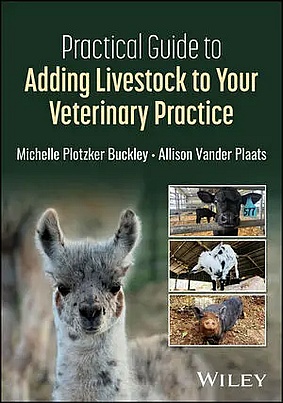
Wiley-Blackwell
| Author | : | Michelle Plotzker Buckley / Allison Vander Plaats |
価格:22,110円 (本体 20,100円+税) 送料サービス
・Release: 2026
・ISBN: 9781394286485
・384 Pages
・Trim Size: 000.0 X 00.0 X 000.0 ・Paperback
Description
Expand your veterinary practice to livestock species with trusted advice on all aspects
Addressing the growing demand for veterinary care among small-scale livestock owners, Practical Guide to Adding Livestock to Your Veterinary Practice equips veterinarians with the foundational knowledge needed to confidently expand their services to include food-producing species. Designed for small animal and equine practitioners who are less familiar with livestock medicine, the book contains essential information on physiology, management, handling, and regulatory compliance across cattle, pigs, small ruminants, and camelids.
By addressing common challenges—such as drug-use regulations, client communication, and species-specific care—the authors demystify livestock medicine and provide practical strategies to help practitioners adapt their existing business models. Helping veterinarians deliver care to small-scale livestock operations, Practical Guide to Adding Livestock to Your Veterinary Practice:
- Covers essential principles of livestock medicine, nutrition, handling, restraint, and welfare across key species
- Summarizes current FDA drug-use regulations and offers clear guidance for compliance in food-producing animals
- Provides practical insight into business operations, inventory, and client management when adding livestock care services
- Features focused chapters on cattle, pigs, small ruminants, camelids, and dairy production to support everyday clinical needs
- Serves as an accessible starting point that connects practitioners to advanced texts and continuing education resources
Ideal for small animal and equine veterinarians, Practical Guide to Adding Livestock to Your Veterinary Practice supports any veterinary practitioner seeking to expand into livestock medicine.
Table of Contents
- Preface xiii
- Acknowledgments xv
- 1 Business Management 1
Michelle Buckley - Farm-Call Versus Haul-In 1
- Pricing Strategies 3
- Menu of Services 4
- Client Education Opportunities 6
- Preparing Your Staff 7
- Understanding Client Motivation and Priorities 8
- 2 Navigating Drug Choices 10
Michelle Buckley - Drug Use Regulations – The Basis for Drug Selection in Food Animals 10
- Drug Labels 13
- Drug Use Records 13
- Animal Identification 14
- Drug Selection 14
- Extralabel Drug Use 21
- Antimicrobials 21
- Culture and Sensitivity Use and Interpretation 23
- Compounding 23
- Pets Rescues and Sanctuaries 23
- Useful Pharmacology Resources 24
- References 24
- 3 Cattle 25
Allison Vander Plaats Copyrighted Material - Handling and Restraint 25
- Restraint 26
- Movement Aids (Flags Paddles Hotshots) 27
- Venipuncture and Catheter Placement 28
- Jugular Venipuncture Restraint and Technique 28
- Coccygeal Venipuncture 29
- Intravenous Catheter Placement 29
- Injections 33
- Vaccines 35
- General Considerations 35
- Notes on Vaccine Use 36
- Common Surgeries and Procedures 36
- Castration 36
- Pregnancy Diagnosis 39
- Disbudding and Dehorning 52
- Summary of Common Surgical Procedures 59
- Calving and Dystocia 61
- Stages of Parturition 61
- Normal Presentations 62
- Aftercare 62
- Induction of Parturition and Abortion 63
- Calving Kit 63
- Calf Jacks 65
- Epidural Anesthesia 65
- OB Chain Placement 66
- Cesarean Section 66
- Complications of Delivery 68
- Dystocia 70
- Neonatology 81
- Stimulation 81
- At-Risk Calves and Interventions 81
- Dairy Calves 83
- Beef Calves 84
- Colostrum 84
- Esophageal Tubing 85
- Monitoring Passive Immunity 86
- Failure of Transfer of Passive Immunity 88
- Neonatal Vaccines 88
- Ongoing Feeding 89
- Common Diseases and Disorders 90
- Lameness 90
- Respiratory Disease 91
- Metritis 95
- Ketosis 96
- Mastitis 98
- Hypocalcemia (Milk Fever) 99
- Prolapses 101
- Calf Diarrhea 105
- Abortions 110
- Abscesses 114
- Wounds 115
- References 116
- 4 Dairy Production Basics 122
Michelle Buckley - Lactation Physiology and Its Impacts on Milk Quality Assessment 122
- Milking Hygiene 125
- Udder Health Challenges 127
- Mastitis 127
- Udder Injury and Lacerations 131
- Udder Cleft Dermatitis 131
- Precocious Udder 132
- Drug Residue Testing 133
- References 133
- 5 Small Ruminants 136
Michelle Buckley - Introduction 136
- Physical Examination 136
- Handling and Restraint 137
- Nutrition Basics 139
- Neonatal Nutrition 140
- Ruminant Diet 143
- Body Condition Scoring 144
- Mineral Supplementation 145
- Official ID and Traceability 145
- Basic Techniques 146
- Vaccines 147
- Famacha© 150
- Common Medical Procedures 151
- Sedation Anesthesia and Analgesia 151
- Castration 151
- Disbudding 153
- Tail Docking 155
- Pregnancy Diagnosis 156
- Dystocia 158
- Common Diseases 162
- Abortions 162
- Caseous Lymphadenitis 163
- Contagious Ecthyma (ORF or Soremouth) 169
- Johne's Disease 169
- Listeriosis 170
- Small Ruminant Lentiviruses 170
- Retained Fetal Membranes/Retained Placenta 171
- Barber Pole Worm 172
- Coccidiosis 174
- Pregnancy Toxemia 174
- Prolapse (Uterine Vaginal and Rectal) 175
- Respiratory Disease 176
- Scrapie 176
- Tetanus 177
- Trauma/Predator Attacks 178
- Urolithiasis 178
- Zinc Deficiency 179
- References 180
- 6 Commercial and Show Pigs 186
Allison Vander Plaats - Handling and Restraint 186
- Restraint 186
- Movement Aids (Whips Flags Paddles Capes and Prods) 190
- Venipuncture and Catheter Placement 190
- Jugular Venipuncture Restraint and Technique 191
- Auricular Venipuncture Restraint and Technique 191
- Coccygeal Venipuncture Restraint and Technique 192
- Orbital Sinus Venipuncture Restraint and Technique 192
- Options for Fluid Administration 192
- Injections 193
- Vaccines 194
- Pregnancy Diagnosis 195
- Safety During Pregnancy Diagnosis 196
- Ultrasound 196
- Progesterone Testing 196
- Return to Estrus 197
- Farrowing and Dystocia 197
- Late Gestation 197
- Stages of Parturition 198
- Normal Presentations 198
- Causes of Dystocia 198
- Aftercare and Common Sequelae 201
- Neonatology 202
- Stimulation 202
- At Risk Piglets and Interventions 202
- Colostrum 203
- Neonatal Antibiotic Administration 204
- Supplemental Feeding 204
- Creep Feeding 205
- Weaning 205
- Piglet Processing 205
- Iron Injection 205
- Ear Notching 206
- Castration 206
- Tail Docking 210
- Trimming Needle Teeth 211
- Pain Management for Piglet Processing Procedures 213
- Common Diseases of Swine 213
- Reproductive Disease and Abortions 213
- Lameness 214
- Respiratory Disease 216
- Neurologic Disease 218
- Skin Disease 220
- Prolapses 222
- Diarrheal Diseases 223
- Miscellaneous Diseases 225
- Common Surgical Procedures 227
- References 230
- 7 Camelids 235
Megan Righi - Introduction to Species 235
- Camelid Herd Management 237
- Housing of Camelids 238
- Regulation of Camelids 239
- Official Identification of Camelids 239
- Biosecurity 240
- Nutrition Basics 240
- Neonatal Requirements 240
- Adult Nutrition Requirements 241
- Body Condition Scoring 241
- Behavior and Handling of Camelids 242
- Normal Behavior 242
- Aberrant Behavior Syndrome 243
- Handling and Restraint 243
- Physical Exam 244
- Basic Techniques 245
- Injection Sites and Intravenous Catheter Placement 245
- Nail Trimming 247
- Fiber Management/Shearing 247
- Dental Examination 249
- Tooth Root Infections 250
- Vaccines 252
- Medications 253
- Sedation 253
- Anti-Inflammatory and Analgesia 256
- Diagnostics in Camelids 258
- Complete Blood Count 258
- Anemia 258
- Blood Glucose 260
- Fecal Egg Count 262
- Camelid Theriogenology 262
- Introduction 262
- Male Camelid Reproductive Physiology Pathology and Surgery 263
- Castration 264
- Female Camelid Reproductive Physiology Pathology and Diagnostics 265
- Confirming Pregnancy 266
- Induction of Parturition 267
- Pregnancy Loss in Camelids 268
- Female Reproductive Emergencies 269
- Neonatology 271
- Introduction 271
- Emergency Resuscitation 274
- Common Neonatal Disorders 274
- Environmental Conditions 275
- Heat Stress 275
- Predator Attacks 276
- Neurologic Conditions 277
- Meningeal Worm 277
- Polioencephalomalacia (PEM) 279
- Otitis Media/Interna 280
- Gastrointestinal Conditions of the Camelid 280
- Choke 281
- Ulcerative Gastritis 282
- Whipworms 282
- E. mac 283
- Dermatologic Conditions 283
- Zinc Responsive Dermatosis 284
- Idiopathic Nasal or Perioral Hyperkeratotic Dermatitis (Munge) 284
- Other Notable Conditions 285
- Respiratory Conditions 285
- Alpaca Fever 285
- Caseous Lymphadenitis 286
- References 286
- 8 Euthanasia of Livestock Species 298
Allison Vander Plaats - When to Consider Euthanasia 299
- What Does Pain Look Like in Livestock Species? 303
- Methods of Euthanasia 304
- Gunshot 304
- Penetrating Captive Bolt (PCB) 307
- Nonpenetrating Captive Bolt (NPCB) 313
- Anesthesia and Secondary Method (Two-Step Method) 315
- Barbiturates 317
- Electrocution 320
- Carbon Dioxide (CO 2) 320
- Blunt Force Trauma 320
- Adjunctive Methods 321
- Loss of Consciousness and Proper Stunning 324
- Signs of Improper or Incomplete Stunning 325
- Confirmation of Death 325
- Considerations When Choosing Euthanasia Method 326
- Aesthetics 326
- Carcass Disposal 326
- Cost 332
- Diagnostic Integrity 332
- Practicality and Skill 332
- Restraint 332
- Safety 335
- Other Animals 336
- References 336
- Appendices 339
- Appendix A: Inventory Additions for Livestock Species 339
- Appendix B: Additional Resources 361
- Index 362
