



HOME >> 海外出版社刊 洋書販売 新着書籍 >>
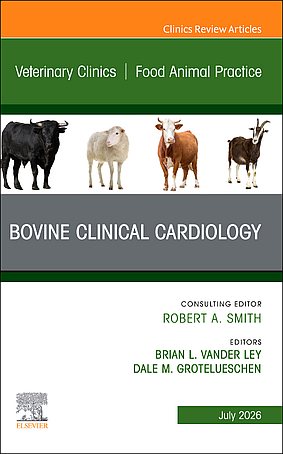
Bovine Clinical Cardiology, An Issue of Veterinary Clinics of North America: Food Animal Practice, 1E [PRINT ON DEMAND]
Elsevier
| Editor | : | Brian Vander Ley / Dale Grotelueschen |
価格:17,490円 (本体 15,900円+税) 送料サービス
・Release: 2026
・ISBN: 9780443472343
・240 Pages
・Trim Size: 158.4 X 13.0 X 234.6 ・PRINT ON DEMAND
Description
In this issue of Veterinary Clinics of North America: Food Animal Practice, guest editors Drs. Brian Vander Ley and Dale Groteleuschen bring their considerable expertise to the topic of Ruminant Cardiology. Cardiac disease in cattle is a growing concern in veterinary medicine, and this issue provides expert understanding and guidance on the diagnosis and management of conditions like feedlot BCHF, right heart failure, and cardiac intoxications. It also explores advances in genetics and targeted management strategies for prevention and improved outcomes in beef cattle populations.
Key Features
- Contains 12 relevant, practice-oriented topics including normal cardiac anatomy and physiology; a review of cardiac pathophysiology; cardiac histophilosis; how infectious agents, congenital anomalies, and nutritional imbalances complicate cardiac health; and more
- Provides in-depth clinical reviews on ruminant cardiology, offering actionable insights for clinical practice
- Presents the latest information on this timely, focused topic under the leadership of experienced editors in the field. Authors synthesize and distill the latest research and practice guidelines to create clinically significant, topic-based reviews
Table of Contents
- Antemortem Cardiac Diagnostic Approaches in Cattle
- Review of Right Heart Failure
- Cardiac Intoxication/Nutritional/Metabolic
- Histophilosis Myocarditis and Pericarditis
- Congenital Bovine Cardiac Anomalies
- Diagnosing and Investigating Heart Disease in Feedyard Cattle
- Epidemiologic Characteristics of Heart Disease
- Management of Congestive Heart Failure in Beef Cattle Populations
- Phenotyping Bovine Congestive Heart Failure: Bridging the Gap Between Epidemiology and Genetic Risk Discovery
